
Table of Contents
For individuals who use wheelchairs, walkers, or scooters, even a single step can become a barrier to freedom, safety, and dignity. Ramps for stairs and wheelchair users provide a simple yet essential way to create smooth transitions between spaces, whether it is entering a front door, crossing a threshold, or accessing a public building. From aging homeowners who want to maintain their independence to businesses working to meet ADA compliance, different types of ramps offer a practical solution that improves mobility and enhances quality of life. With the right mobility solution in place, everyday tasks become easier and life becomes far more accessible.
What is a Wheelchair Ramp?
A wheelchair ramp is a sloped surface that connects two different elevations, allowing safe and easy passage for people with mobility challenges. These ramps are designed to bridge steps, curbs, or uneven ground to enable smooth access for people using wheelchairs, walkers, scooters, and even strollers. They're also essential for seniors who want safer access at home, individuals recovering from injury or surgery, and property owners who must meet accessibility regulations. Properly installed ramps reduce the risk of falls and injuries by providing stable, easy-to-navigate pathways. For businesses, these mobility devices are often a legal requirement to meet Americans with Disabilities Act (ADA) standards.
Different Types of Wheelchair Ramps
Portable Ramps
Portable ramps are lightweight and designed to be easily moved and stored. Made from materials like aluminum, they are perfect for short-term access or temporary situations like recovery from surgery. Their portability makes them convenient for occasional use where permanent installation isn't practical.
Wheelchair Ramps
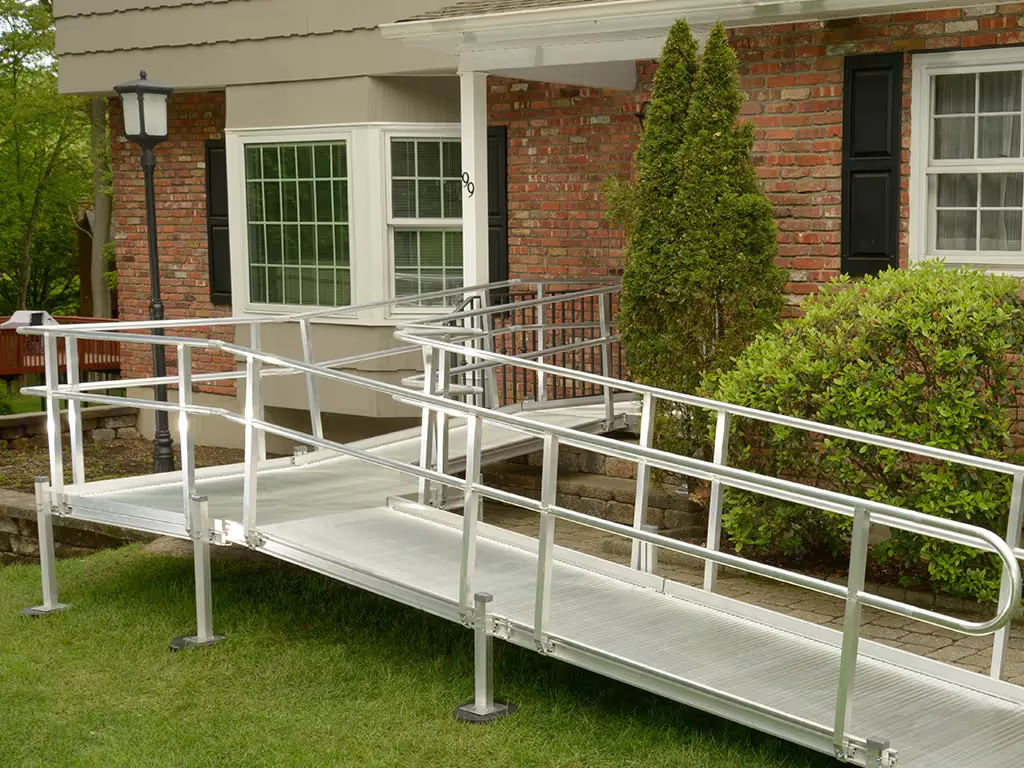
Modular ramps are made of pre-fabricated sections that can be customized and assembled to fit your specific elevation and space. They are commonly used in residential and commercial settings where a permanent yet adaptable ramp is needed.
Threshold Ramps
These are small, low-profile ramps designed to bridge minor height differences such as door sills or small steps. They are typically easy to install and are ideal for indoor or outdoor entry points with small elevation changes. Threshold ramps provide a simple and affordable way to improve accessibility at doorways or low obstacles.
Telescoping or Folding Ramps
Telescoping or folding ramps are similar to portable ramps but feature a collapsible design that folds or telescopes into a more compact form for easy storage and transport. These ramps are especially popular for vehicle access and travel, offering a lightweight, space-saving solution for users who need a ramp on the go.
| Type | Pros | Cons |
|---|---|---|
| Portable Ramps | Highly portable and convenient; no permanent installation required; quick setup | Limited to low rises or single steps; may not support heavy loads; less durable for frequent use |
| Wheelchair Ramps | Customizable length and configuration; durable materials like aluminum; easier to expand or modify | Requires assembly and some space; may need professional installation; higher cost than portable ramps |
| Threshold Ramps | Compact and easy to install; improve access over small obstacles; affordable | Only suitable for very small rises (usually under 3 inches); not suitable for full staircases |
| Telescoping or Folding Ramps | Very compact and lightweight; easy to store and transport; good for vehicle access | Shorter length limits slope options; less stable than fixed ramps; typically lower weight capacity |
How to Choose the Right Type of Wheelchair Ramp for Your Needs
Slope and Length
One of the most critical aspects of choosing a ramp is the slope, which directly impacts how easy and safe it is to use. Ramps that are too steep can be difficult and even dangerous, particularly for people using manual wheelchairs or those with limited upper body strength.
Mobility Needs
Different mobility devices and individual physical abilities require different types of ramp features. For manual wheelchair users, gentler slopes and wider ramp widths are essential for safe maneuvering. Power scooter users need ramps built with strong materials to support heavier weights and provide sufficient width. If you use a walker or cane, it's important that the ramp surface is stable and equipped with handrails to provide extra balance support.
Frequency of Use
How often the ramp will be used also influences the best choice. For short-term needs, such as recovery from an injury or occasional visits, portable ramps offer a flexible and cost-effective solution. If the ramp is intended for daily, long-term use, investing in modular or custom-built permanent ramps is advisable for greater durability and safety.
Space Available
Ramp length correlates directly with the space required. Longer ramps need more room to accommodate the proper slope. If your property has limited space, wheelchair ramps with switchbacks or landings can provide a practical solution, fitting the ramp into smaller areas while maintaining safety and compliance.
Budget
Prices can vary widely depending on materials, length, and complexity. Portable ramps are usually more budget-friendly but may not withstand heavy or frequent use. On the other hand, permanent ramps can be expensive but offer the highest level of safety, convenience, and durability.
Understanding ADA Compliance and Local Regulations
When installing a wheelchair ramp for stairs in a public or commercial space, adhering to the ADA standards is required by law. Even for private residences, following these guidelines ensures the ramp is safe and functional and can improve your property's value and marketability in the future.
| Requirement | Standard |
|---|---|
| ADA Slope | 1:12 ratio — for every inch of vertical rise, the ramp should extend 12 inches long |
| Landing Space | Level landings required at top and bottom, plus every 30 feet for long ramps |
| Handrails | Required on both sides for ramps rising more than 6 inches or longer than 6 feet |
Installation and Maintenance
DIY Installation
Installing a ramp by yourself can be a practical option for certain types of ramps, particularly smaller models like threshold ramps. These typically require minimal tools and are designed for simple placement or temporary use. However, even with smaller ramps, stability and safety must be a top priority.
Professional Installation
For modular, permanent, or custom ramps, professional installation is highly recommended. Experts will take care of site assessments, accurate measurements, and any slope or drainage considerations. A professional can also assist with acquiring necessary permits, handling inspections, and designing a ramp that fits seamlessly into your space.
Maintenance and Upkeep Tips
- Inspect the ramp frequently for signs of wear, such as loose bolts, rust, or structural damage.
- Keep the surface clean and clear of debris, especially during winter when snow and ice can pose serious hazards.
- For added traction, apply non-slip coatings or adhesive strips if necessary.
- If your ramp is made of wood, reseal it annually to protect against moisture, rot, and weather damage.
How Much Does a Ramp for Stairs and Wheelchairs Cost?
The cost depends on several factors, including the material, length, type, and installation method. Aluminum and steel ramps are more durable but cost more upfront, while wood or rubber options tend to be cheaper but may require more maintenance. Longer ramps with landings or turns will increase the price, especially if ADA compliance is needed.
- Threshold and portable ramps are usually the most affordable, starting under $200.
- Modular ramps can range from $1,500 to $5,000 or more, depending on size and features.
- While renting is budget-friendly for temporary needs, purchasing a ramp is usually the smarter choice for ongoing or permanent accessibility.
What Makes Western Stairlifts a Top Choice for Wheelchair Ramps?
When you choose Western Stairlifts, you're partnering with a trusted local team that brings years of experience to every project. We specialize in high-quality wheelchair ramp installations that meet your unique needs while ensuring full safety and ADA compliance. Whether you're looking for a temporary solution or a permanent upgrade, our experts offer free evaluations, fast turnaround times, and hands-on support throughout the process. From personalized recommendations to final walk-throughs, we're committed to making accessibility easier and more reliable for homes and businesses across Utah.
Common Questions
Frequently Asked Questions
What materials are best for wheelchair ramps?
Aluminum is lightweight, rust-resistant, and low maintenance, making it ideal for both portable and wheelchair ramps. Wood offers a more natural look and is often used for custom-built permanent ramps, but it requires sealing and regular upkeep. Steel ramps are extremely durable but heavier and prone to rust if not properly treated.
Can it be used in snowy or icy conditions?
Yes, but it's important to choose ramps with slip-resistant surfaces and to clear snow and ice promptly. Applying grip tape or textured coatings can improve traction.
How much weight can it support?
Weight capacities vary by the material and type of wheelchair ramps. Most residential ramps support 600–800 pounds, which accommodates both the user and mobility device. Always check the manufacturer's specifications, especially for portable and folding models.
How long does it take to install a wheelchair ramp?
Portable and threshold ramps can often be set up in under an hour. Modular types typically take a few hours to a day, depending on complexity and size. Custom-built permanent ones may require several days, including time for permits, foundation work, and inspections.