
Table of Contents
For many families, the comfort of home is closely tied to independence. Yet for those using wheelchairs, scooters, or walkers, or for seniors who find stairs increasingly difficult, something as simple as a front step can become a daily obstacle. These barriers not only limit mobility, but they can also reduce confidence, increase the risk of falls, and create a sense of dependence on others. The good news is that there are safe, reliable solutions designed to restore accessibility without requiring major home renovations. One of the most effective and adaptable of these solutions is the wheelchair ramp system.
What Are Wheelchair Ramp Systems?
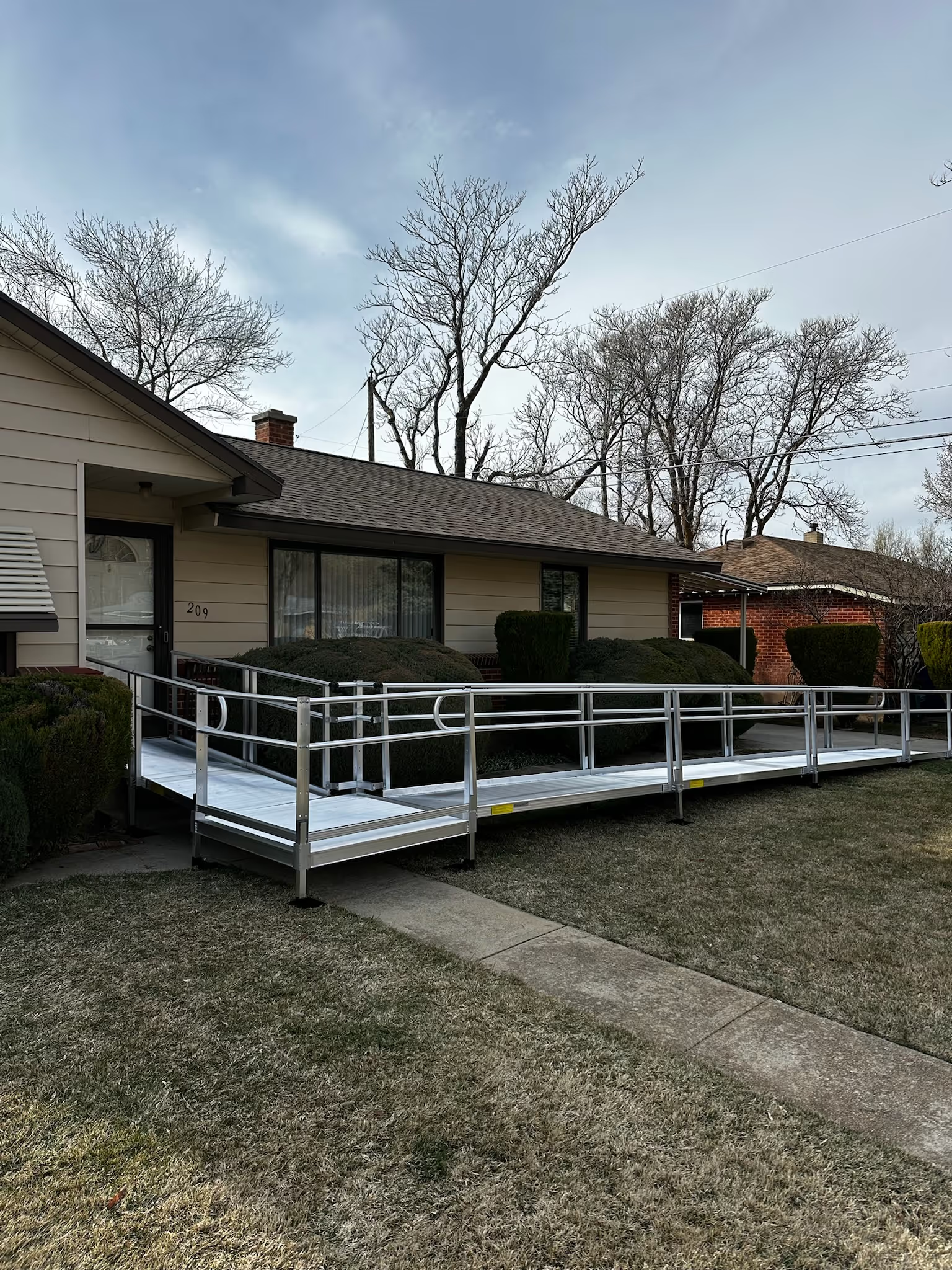
A wheelchair ramp system is a ramp built from prefabricated sections usually made of aluminum or steel that are assembled onsite. Unlike permanent concrete or wooden ramps, which require extensive construction, modular systems can be installed quickly, reconfigured as needs change, and removed without leaving permanent damage to the home. They also differ from portable ramps, which are designed for temporary, short-term use. Portable ramps are lightweight and convenient for travel but lack the stability, safety features, and customization of a full modular system.
Because of their flexibility and safety, wheelchair ramps are ideal for residential properties. They benefit:
- Seniors aging in place who want to continue living in the home they love without being limited by steps or entryways.
- Wheelchair, scooter, or power chair users who need a safe, sturdy, daily-use access solution.
- Individuals recovering from surgery or injury who may need temporary but stable access to their homes.
- Caregivers and family members who want peace of mind knowing their loved ones can enter and exit the house safely.
Components of a Wheelchair Ramp System
A wheelchair ramp is a carefully engineered system where every part contributes to both function and safety. Each component is designed not only to support mobility but also to reduce risks, provide stability, and ensure long-term confidence for the user.
Ramp Sections
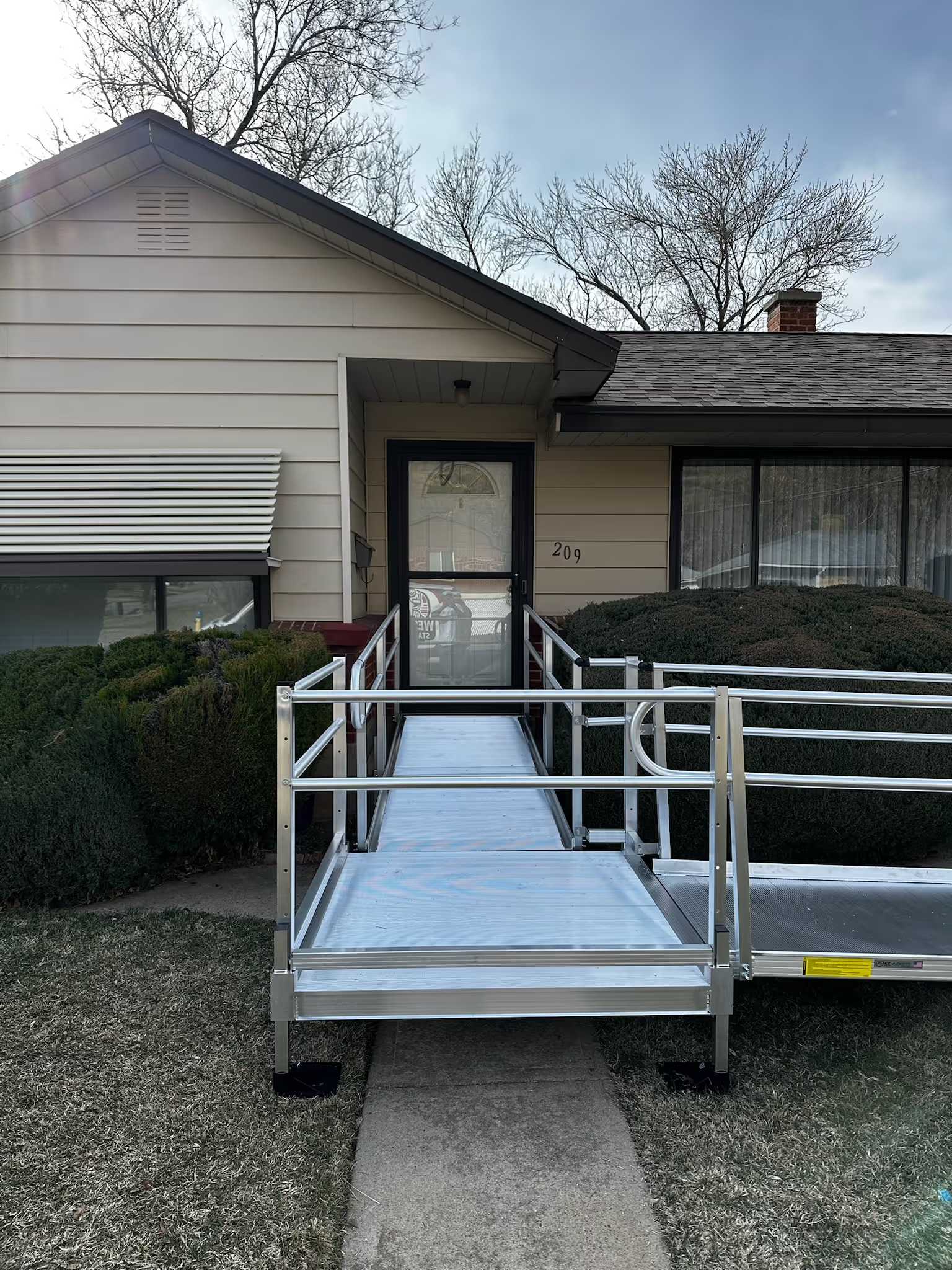
These are the prefabricated straight pieces, available in a variety of lengths, that connect together to form the slope of the ramp. Each section is engineered with a gentle incline to make navigation easier and safer. The sections often feature integrated traction patterns or perforations to prevent slipping in rain, snow, or ice, providing dependable safety in all weather conditions.
Platforms and Landings
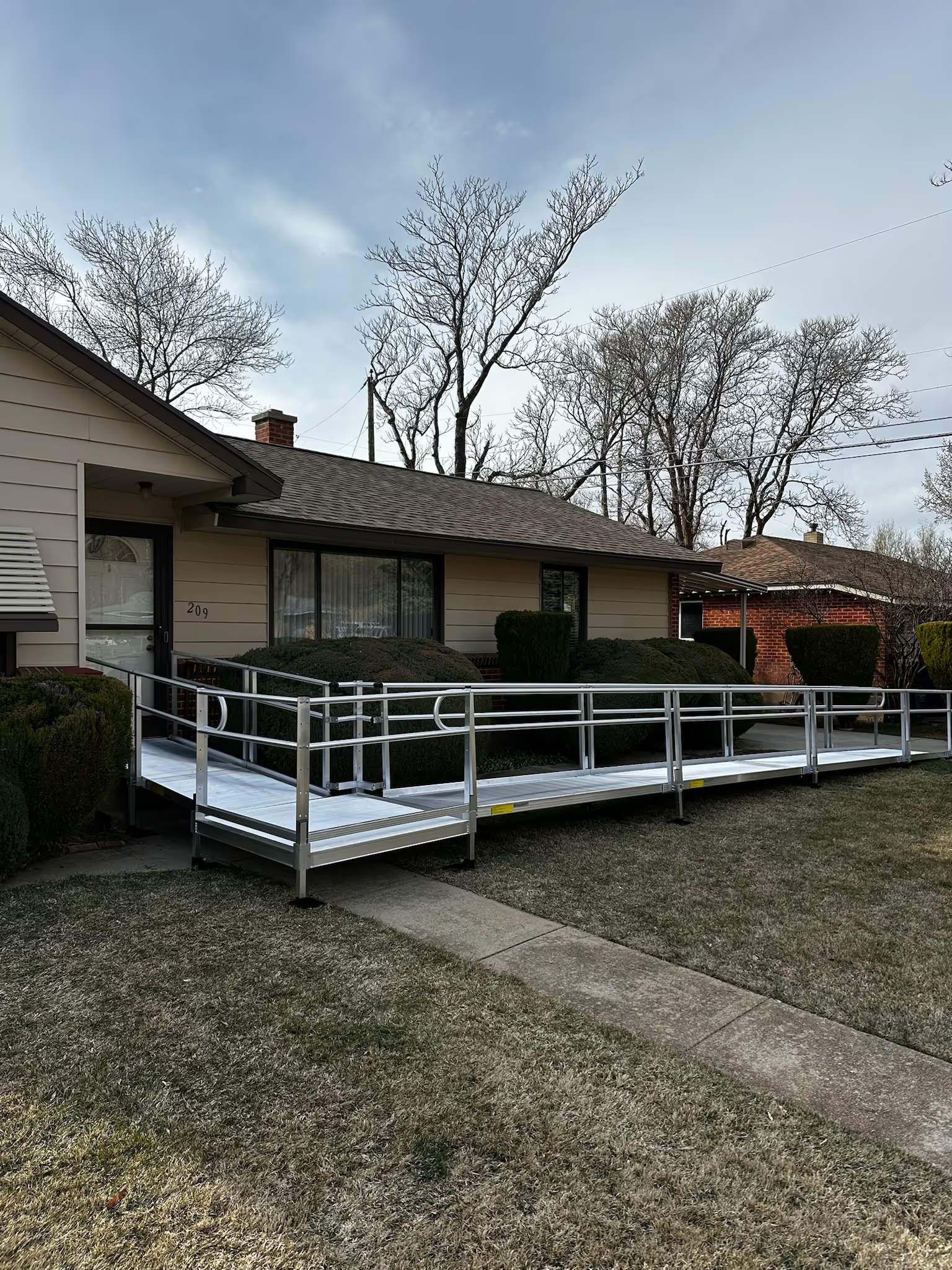
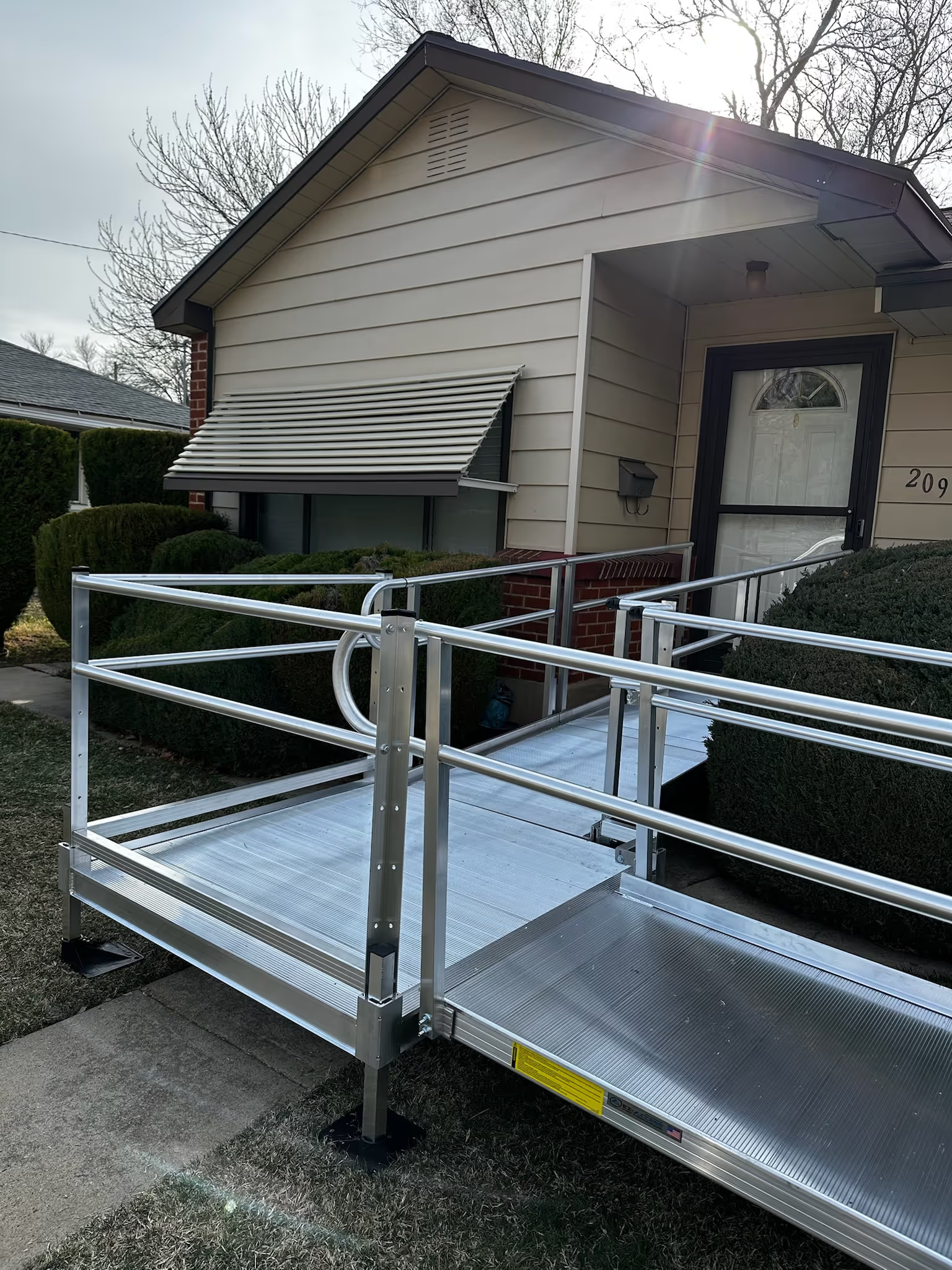
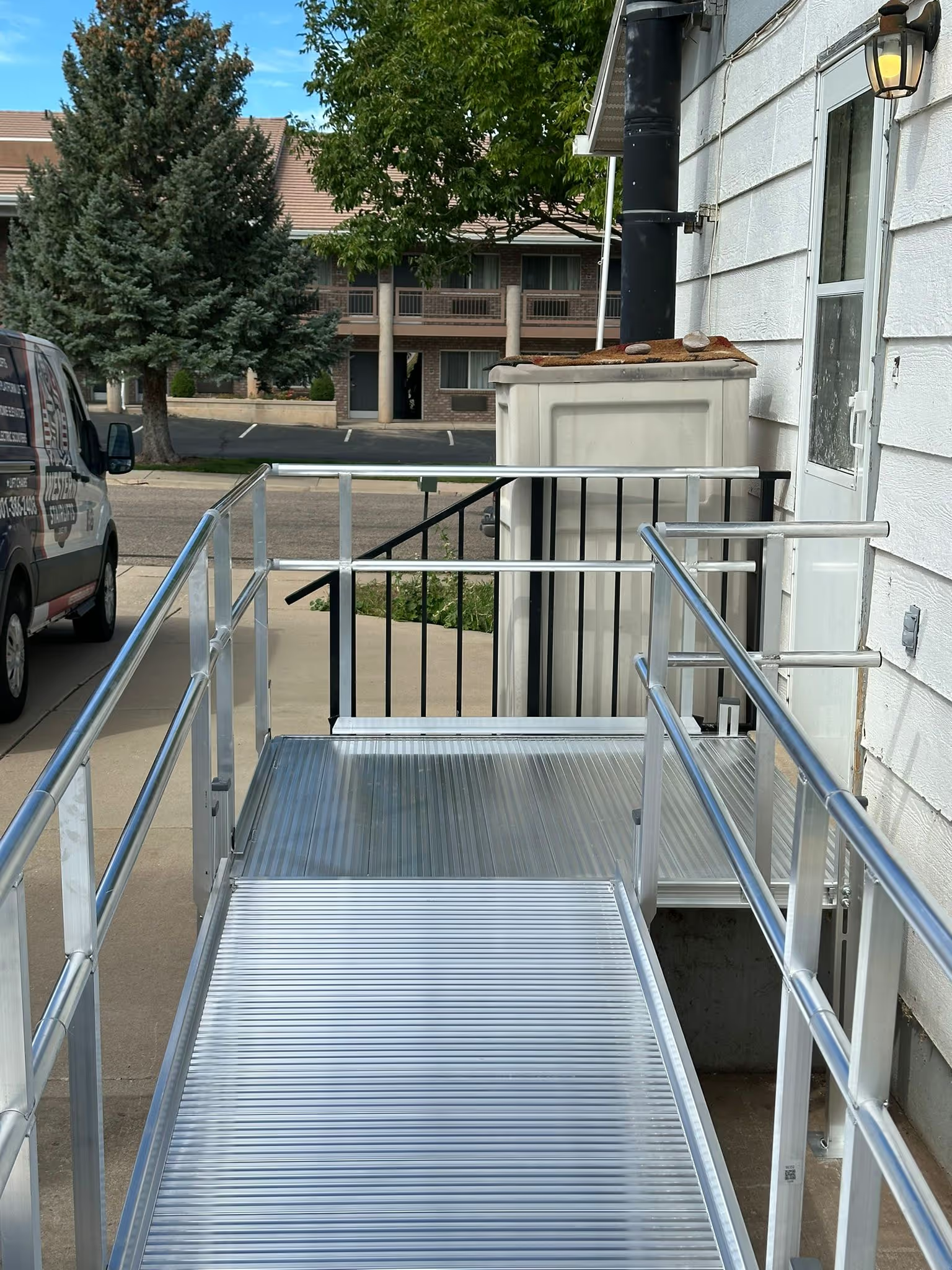
Platforms are flat resting areas that are installed at doorways, transitions, or at points where a ramp run is especially long. They provide a safe space for users to pause, turn, or reposition before continuing. Landings are especially important at changes in direction, such as 90-degree or switchback turns, where stability and maneuverability are critical.
Handrails
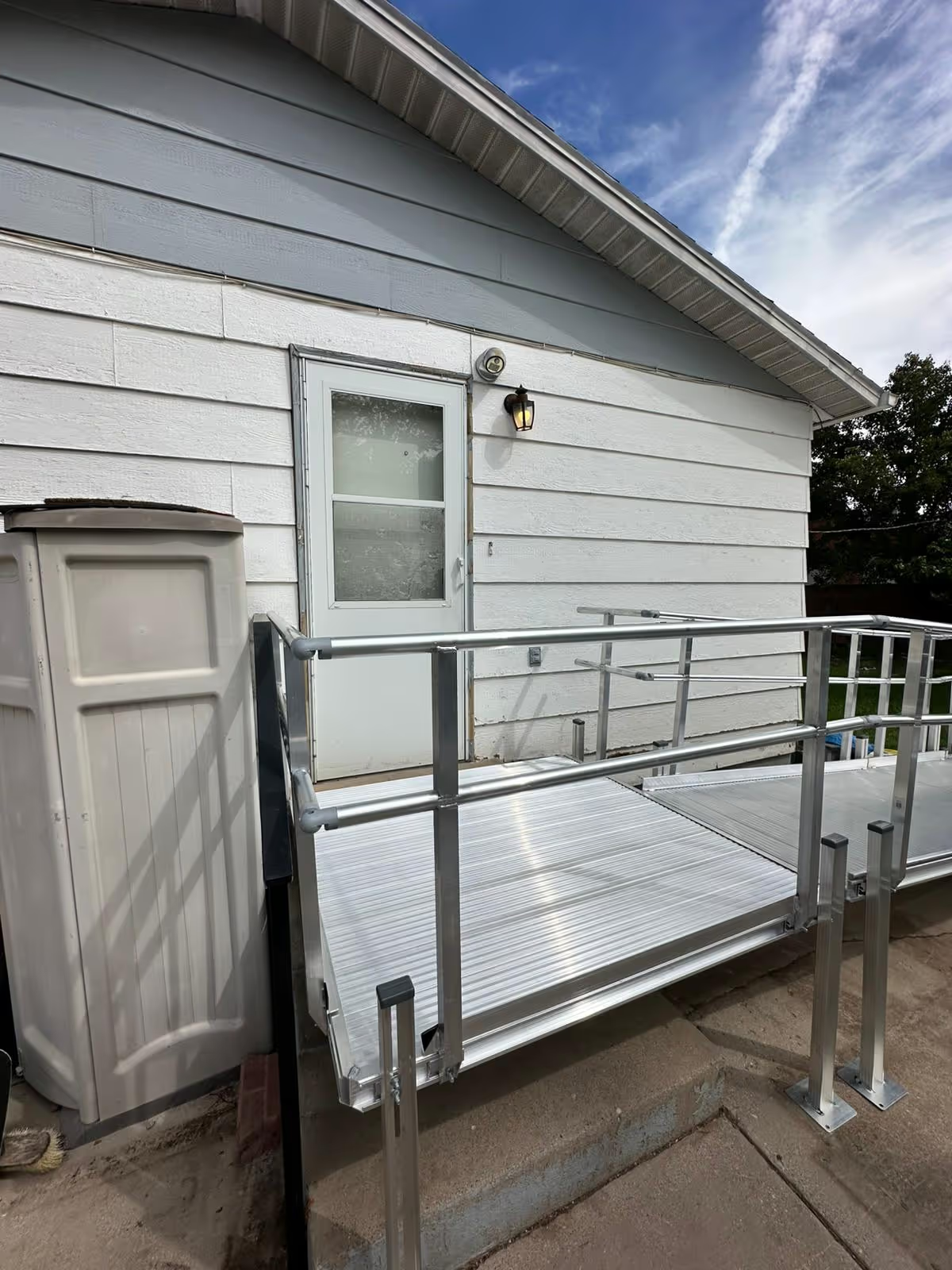
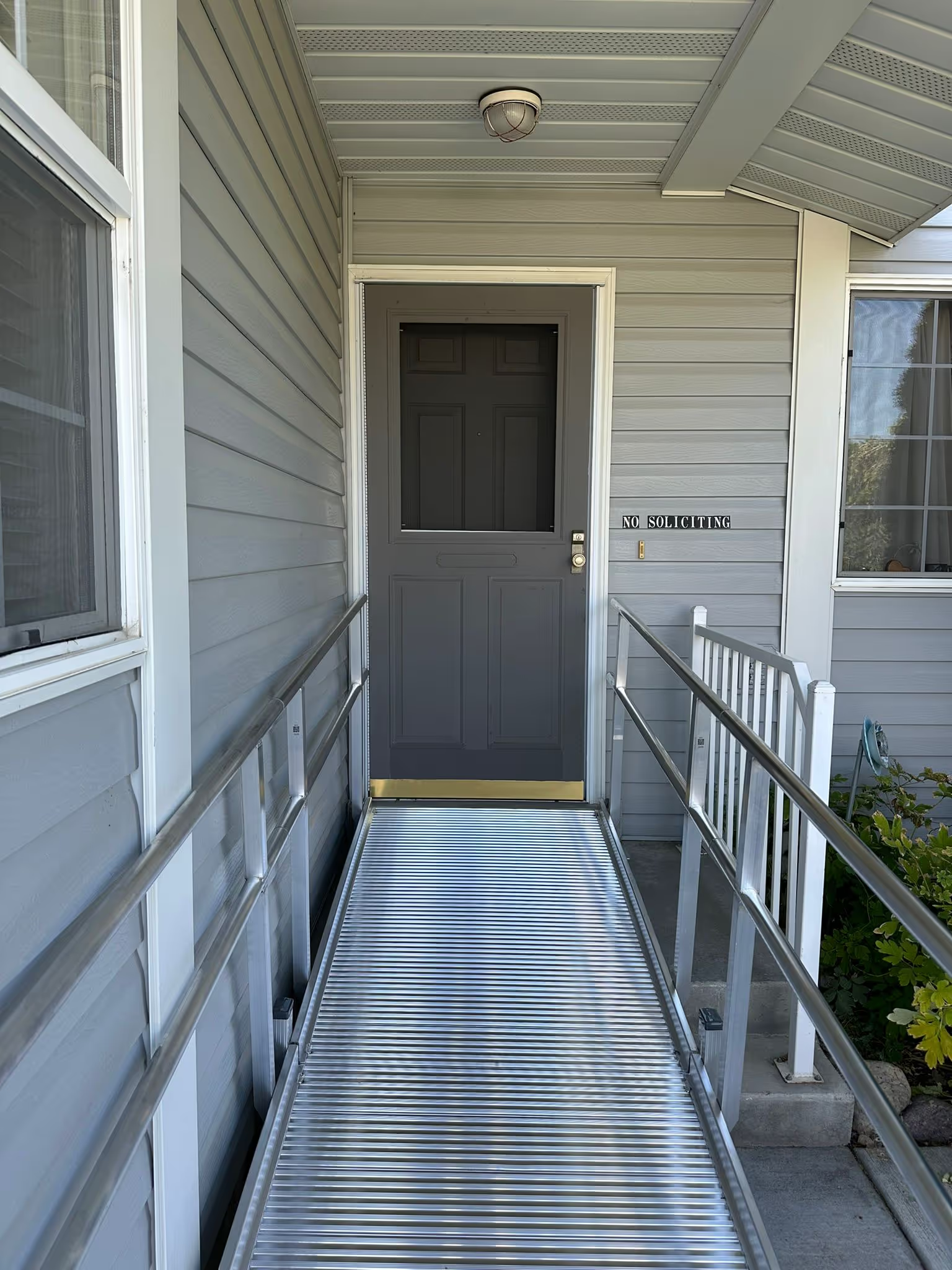
Continuous handrails run along both sides of the ramp, offering steady support from start to finish. For users with limited balance or strength, handrails provide a reliable surface to grip while ascending or descending the ramp. They are also essential for caregivers who may walk alongside a wheelchair, giving them something to hold for stability.
Surface Materials
Most residential wheelchair ramps are made from lightweight aluminum, chosen for its strength, durability, and weather resistance. The surface is typically textured, grooved, or treaded to create consistent traction. This built-in non-slip design means wheels and shoes alike grip securely, even in wet or icy conditions.
Support Legs and Footings
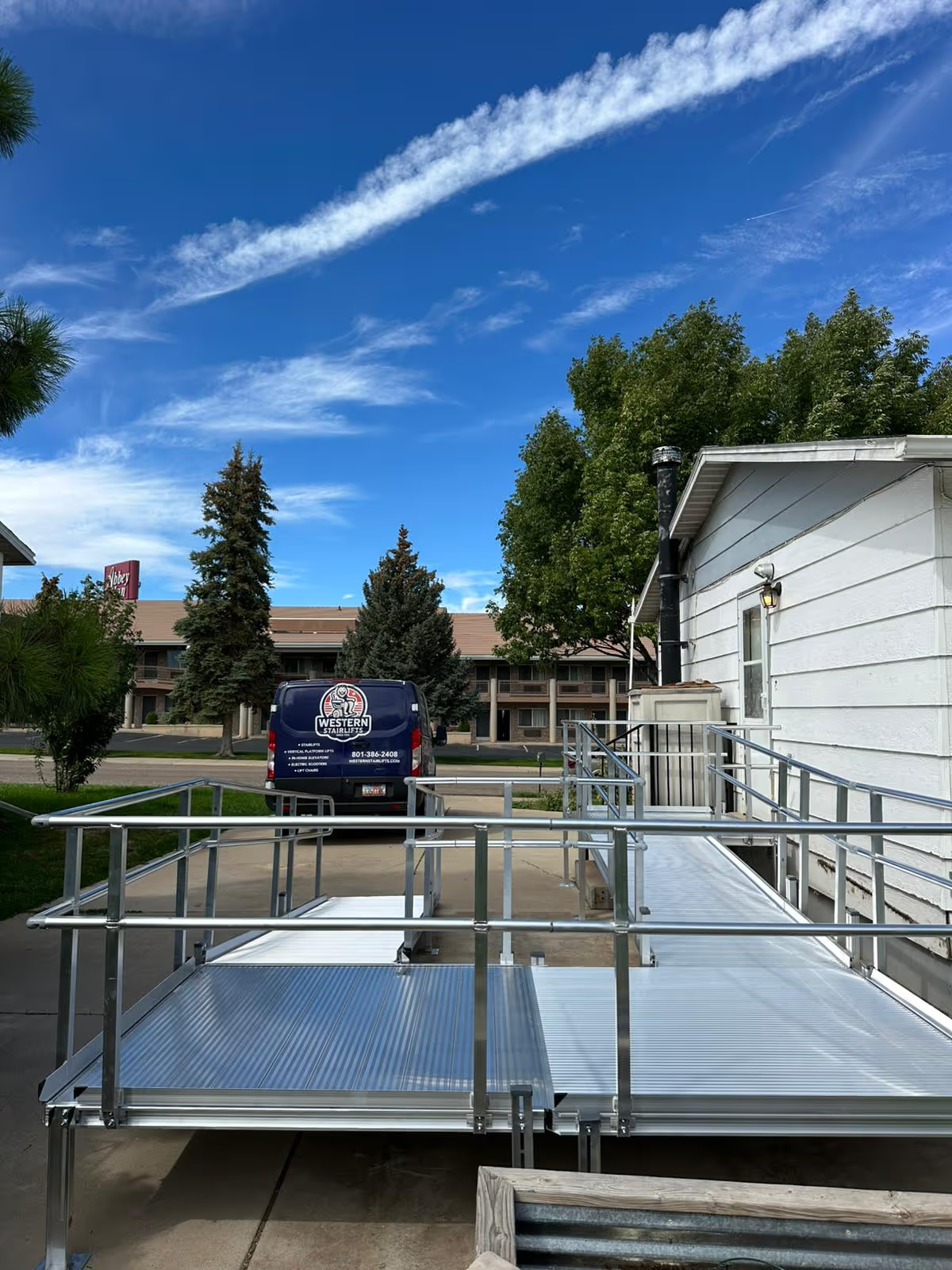
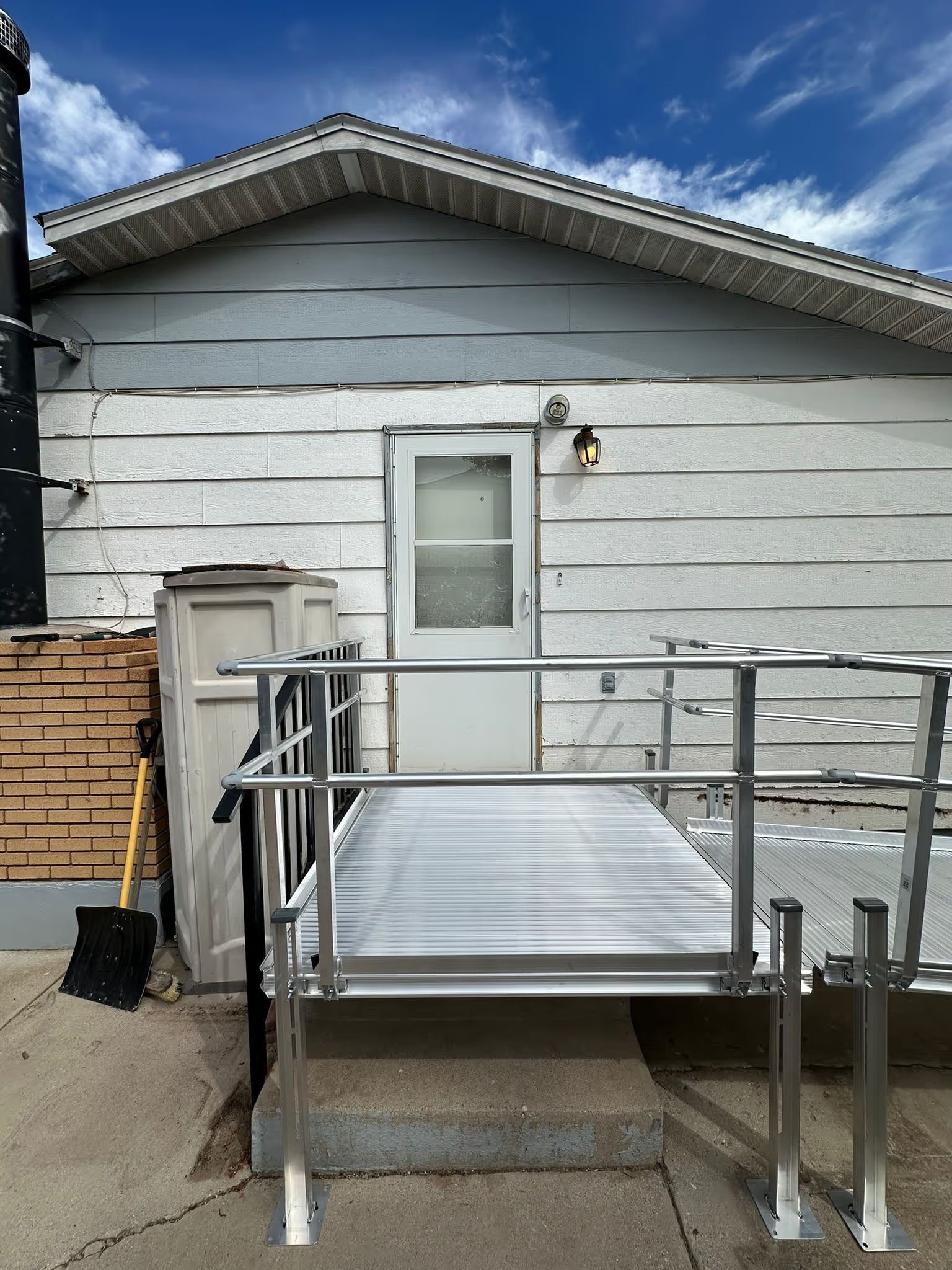
These adjustable supports anchor the ramp to the ground and ensure that it remains level, even on uneven or sloped terrain. By providing a stable foundation, they prevent wobbling or shifting, which could otherwise compromise safety.
Why Choose Residential Wheelchair Ramps for Home Accessibility?
Flexible Design
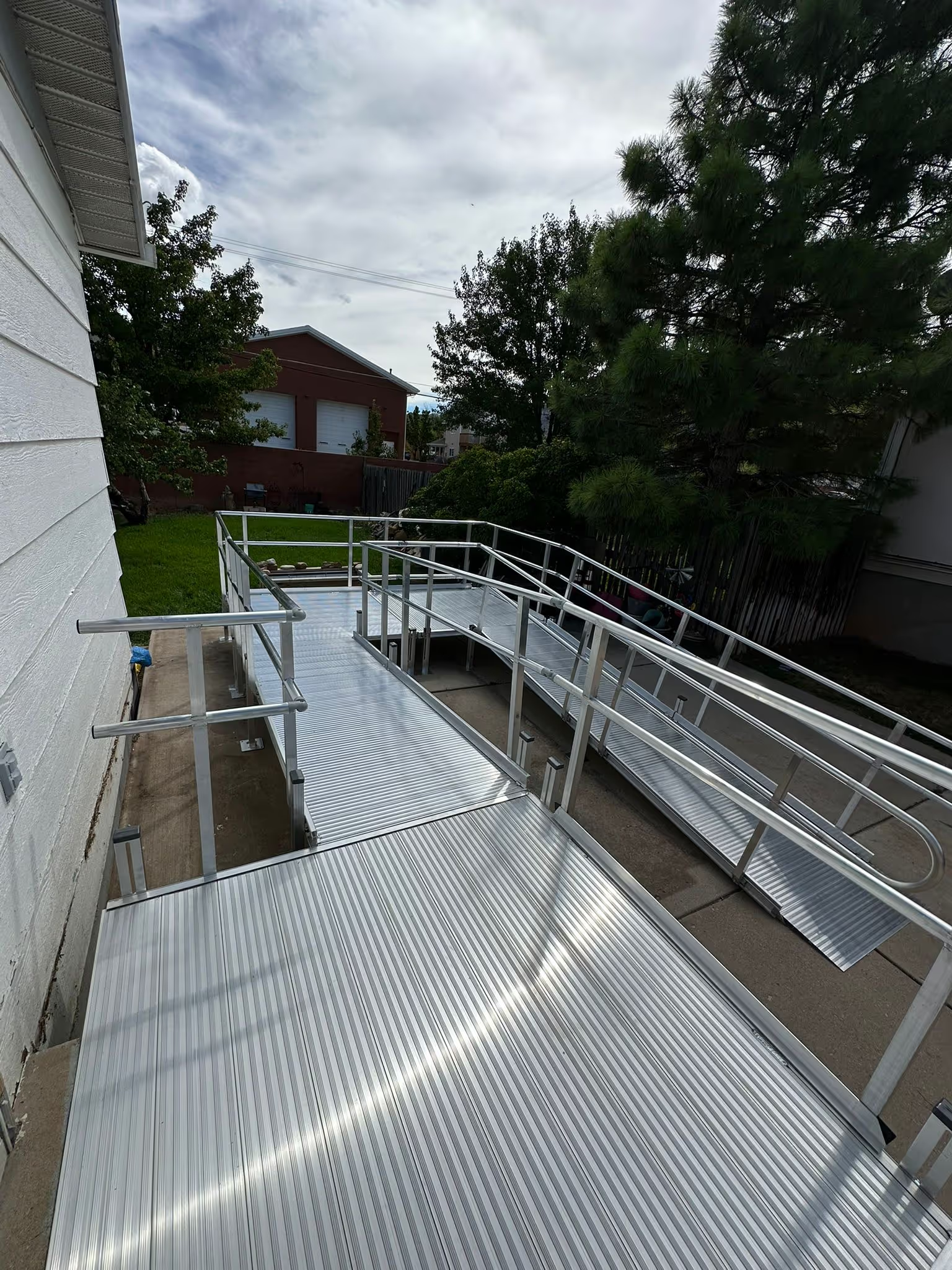
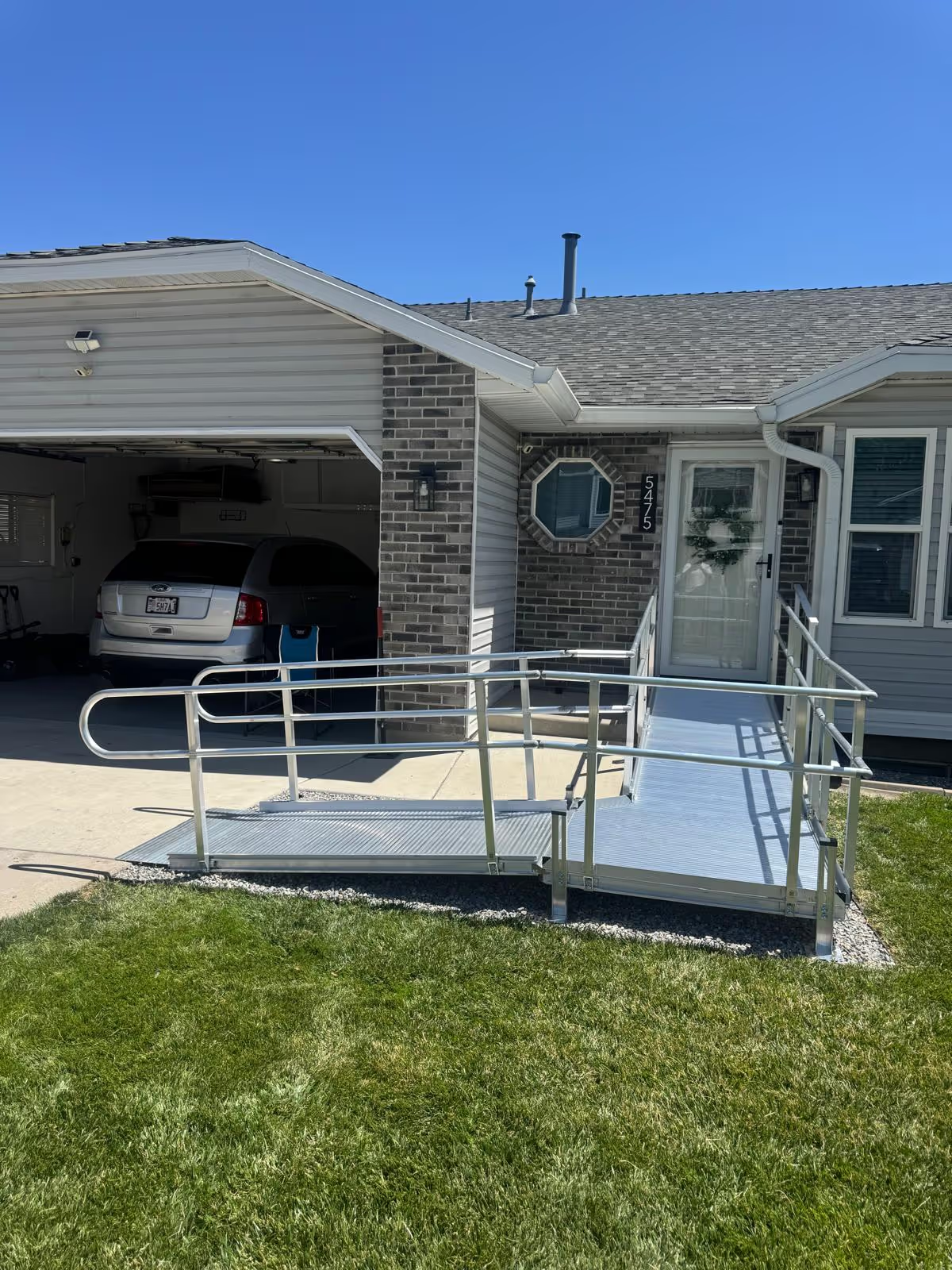
Every home is different, and so are the needs of its residents. Modular ramps are designed with this in mind. They can be customized to fit virtually any layout, whether it's a straight run leading to a front porch, a compact switchback design in a small yard, or an angled configuration for side or garage entrances.
Durability
Unlike wooden ramps that can rot or warp over time, or concrete ramps that may crack and require costly repairs, wheelchair ramps are built from aluminum or powder-coated steel. These materials are naturally resistant to rust, corrosion, and weather damage.
Enhanced Safety
Safety is the cornerstone of every wheelchair ramp design. Each system incorporates multiple features that significantly reduce the risk of falls and accidents, making wheelchair ramps a reliable choice for daily use.
Adaptability
Life changes, and so do mobility needs. One of the greatest advantages of residential wheelchair ramps is their ability to grow and change with the household. If a user begins with a walker and later transitions to a wheelchair or power chair, the ramp can be reconfigured to provide additional length, turns, or platforms. If the family moves, it can be disassembled and installed at a new home.
Non-Invasive Installation
Traditional ramps, whether wood or concrete, often require heavy construction—digging footings, pouring cement, or altering landscaping. This can be disruptive, time-consuming, and expensive. Modular ramps, by contrast, are installed using prefabricated sections that are assembled onsite. In most cases, installation takes just a few hours, with no permanent alterations to the property.
Design Considerations for Residential Use
- Aesthetic Integration: Modern wheelchair ramps are available with powder-coated finishes and clean lines, allowing them to blend with a home's exterior rather than standing out.
- Measuring Rise: The first step is calculating the total vertical rise from the ground to the entry point. This determines the overall length of the ramp required.
- Slope Guidelines: ADA standards recommend a 1:12 slope ratio (1 inch of rise for every 12 inches of ramp length). For residential use, gentler slopes are often preferred, making the ramp easier to navigate.
- Width and Clearance: Standard widths may be sufficient for most wheelchairs, but wider ramps can be installed for power chairs or to allow caregiver assistance.
- Turns and Landings: When space is limited, ramps can include 90-degree or switchback turns with landings for safe maneuvering.
- Entry Points: Modular ramps can be configured for front doors, garage entrances, patios, or side doors, depending on which access point is most practical.
Installation Process
Installing a wheelchair ramp is a straightforward process that minimizes disruption to your home. With prefabricated components designed for quick assembly, most systems can be set up in just a few hours while providing immediate accessibility and safety.
- 1Assessment: A professional visits the home to measure, evaluate the terrain, and discuss entry point options.
- 2Layout Design: Based on the rise and space available, the configuration is planned, including platforms and turns if needed.
- 3Assembly: Prefabricated sections are delivered and assembled onsite. Because no concrete or major construction is required, installation is quick and minimally disruptive.
- 4Inspection: The final ramp is checked for slope accuracy, stability, and safety.
While some modular systems allow for DIY setup, professional installation is strongly recommended. Experts make sure that the ramp is safe, compliant, and properly secured for long-term use.
Mobility should never be a barrier to enjoying your own home. At Western Stairlifts, we are here to guide you through the entire process, from evaluation and installation to ongoing support. Schedule a free evaluation today and discover how a wheelchair ramp system can make your home safer, more comfortable, and truly accessible.