
Table of Contents
Accessibility is about more than getting from one place to another. It is about creating freedom, safety, and peace of mind for people with mobility challenges. For many, a well-designed ramp is what makes it possible to enter and leave a home, a workplace, or a community space with confidence. In the United States, the Americans with Disabilities Act, known as the ADA, was made to set clear guidelines to ensure that ramps and other accessibility solutions meet certain safety and usability standards. Whether you are a homeowner trying to make your property safer or a business owner working to meet federal guidelines, understanding ADA requirements is essential.
Understanding the ADA
The Americans with Disabilities Act is a federal law that was enacted in 1990. Its purpose is to prevent discrimination against individuals with disabilities and to ensure that everyone has equal access to public spaces, transportation, and employment. When it comes to buildings and facilities, the ADA outlines specific standards for accessibility features such as doorways, restrooms, parking, and ramps.
These standards are not arbitrary. They are based on research, testing, and decades of experience in safety and mobility. By following ADA rules, property owners protect not only the people who use their buildings but also themselves from liability. Most importantly, compliance demonstrates a commitment to inclusion and respect for every member of the community.
Failing to follow ADA guidelines can result in legal consequences, but the greater concern is how non-compliance affects people in their daily lives. An entrance that is not accessible, a pathway that is too narrow, or a surface that becomes slippery in wet conditions can all create barriers that limit independence and increase the risk of injury.
Exploring Wheelchair Ramps and Their Role in ADA Accessibility
Everyday Uses and Advantages
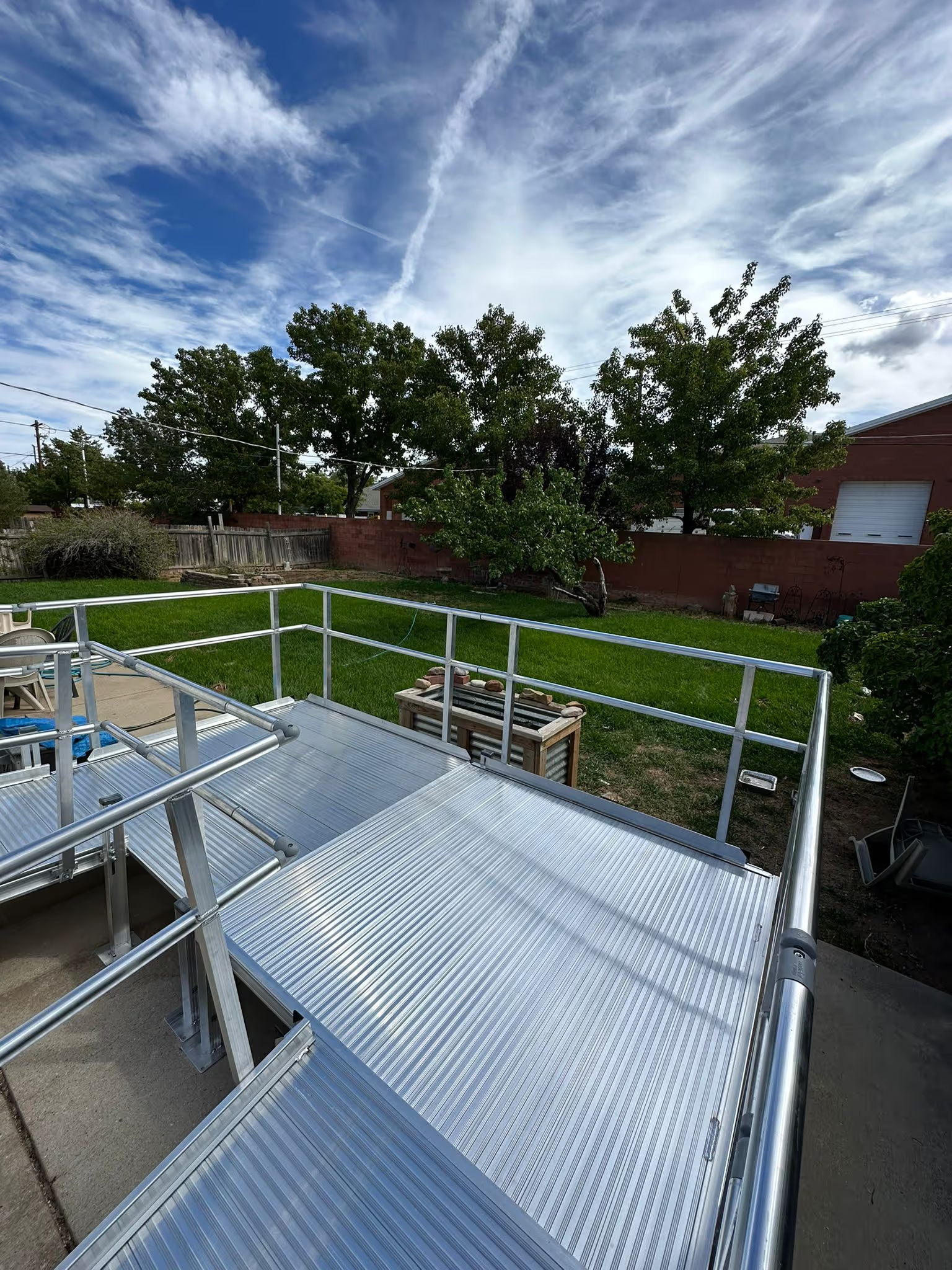
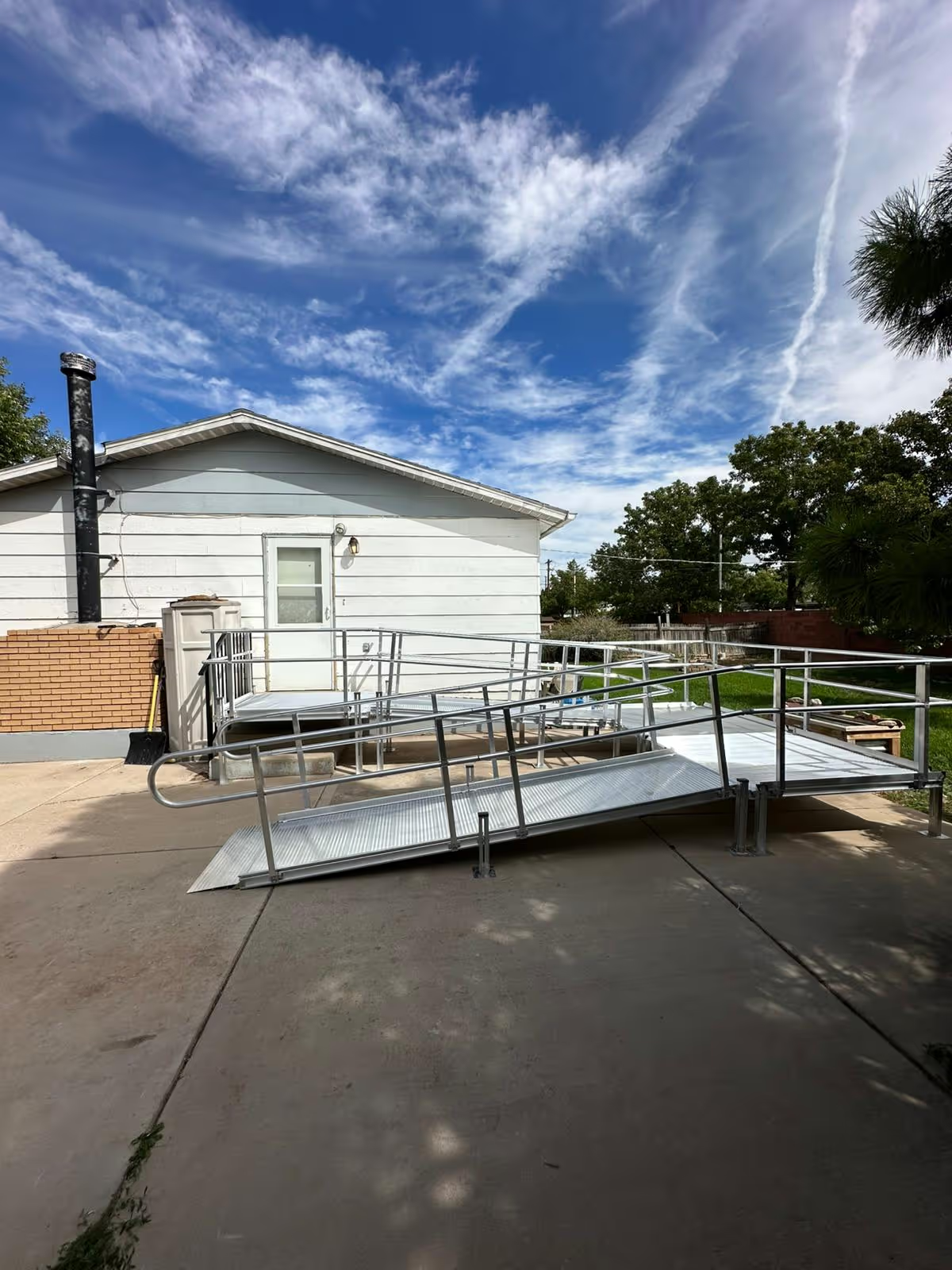
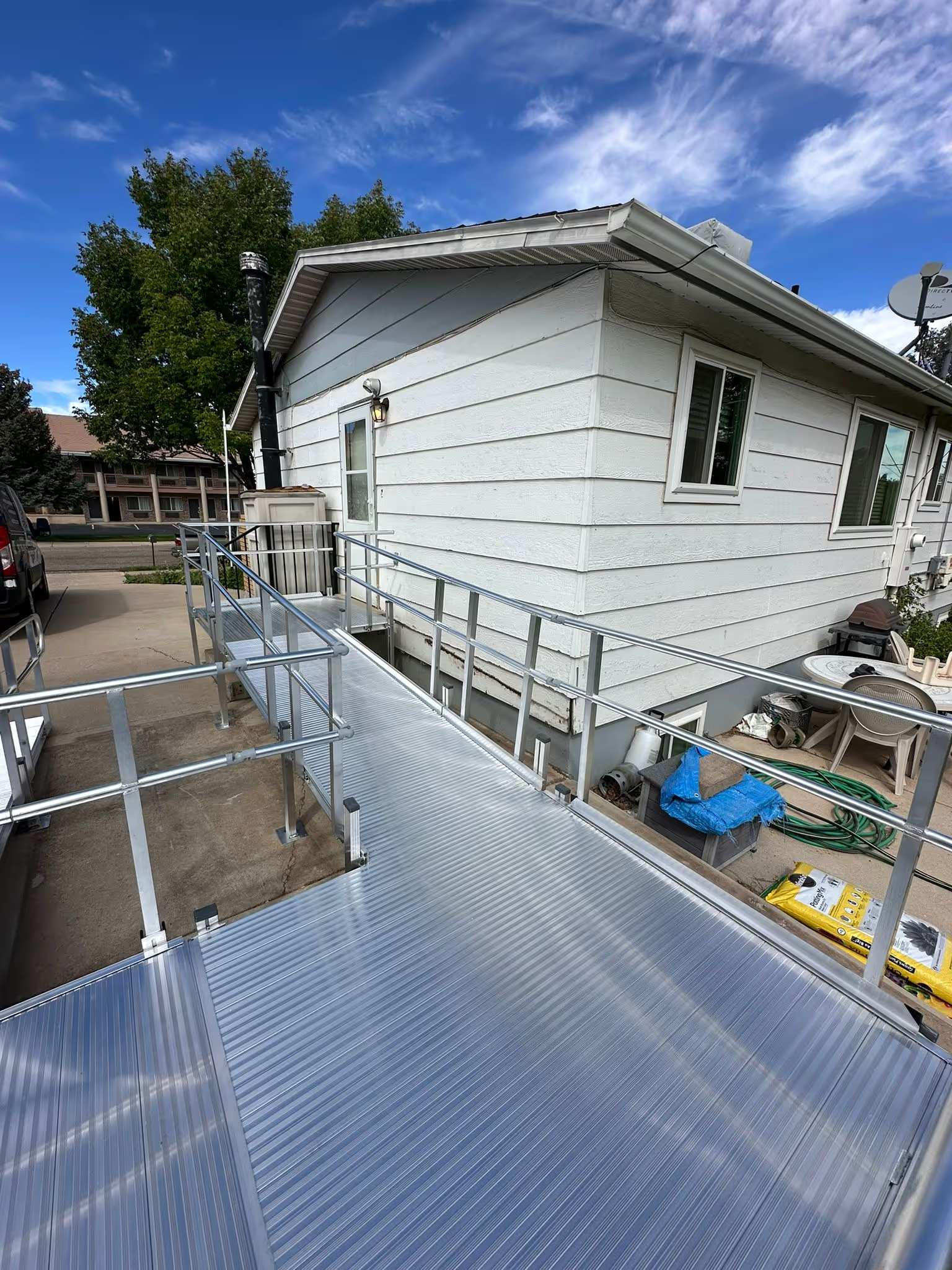
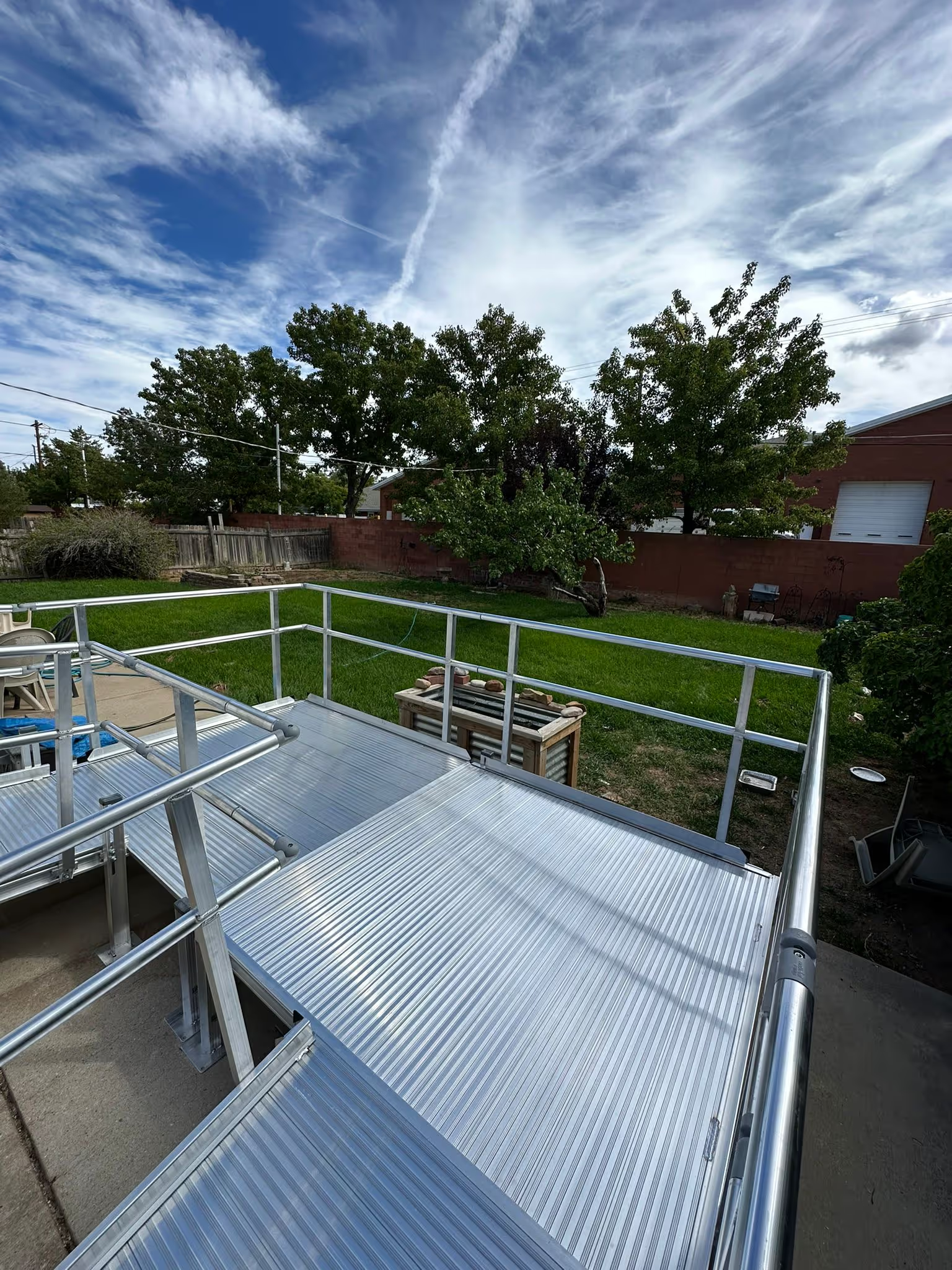
Prefabricated ramps are a modern solution to a very practical need. Built from pre-engineered sections, they can be configured to fit a wide range of spaces and entryways. They create safe and reliable pathways for people who use wheelchairs, scooters, walkers, or other mobility devices. Parents pushing strollers, delivery workers moving heavy carts, and seniors who find stairs difficult also benefit from having a gentle, stable incline instead of steps.
Ramps that are modular bring an additional layer of practicality. Unlike permanent wooden or concrete models, wheelchair ramps can be installed quickly, adjusted if needs change, and even relocated to a new property.
Prefabricated Ramps and ADA Compliance
Because wheelchair ramps are designed with flexibility and safety in mind, they align naturally with the requirements of the Americans with Disabilities Act. Their adaptability makes it easier to achieve the proper slope, width, and safety features mandated by the law. A prefab ramp that does not meet ADA standards can create hazards instead of solutions.
Accessibility Requirements for Safe and Usable Ramps
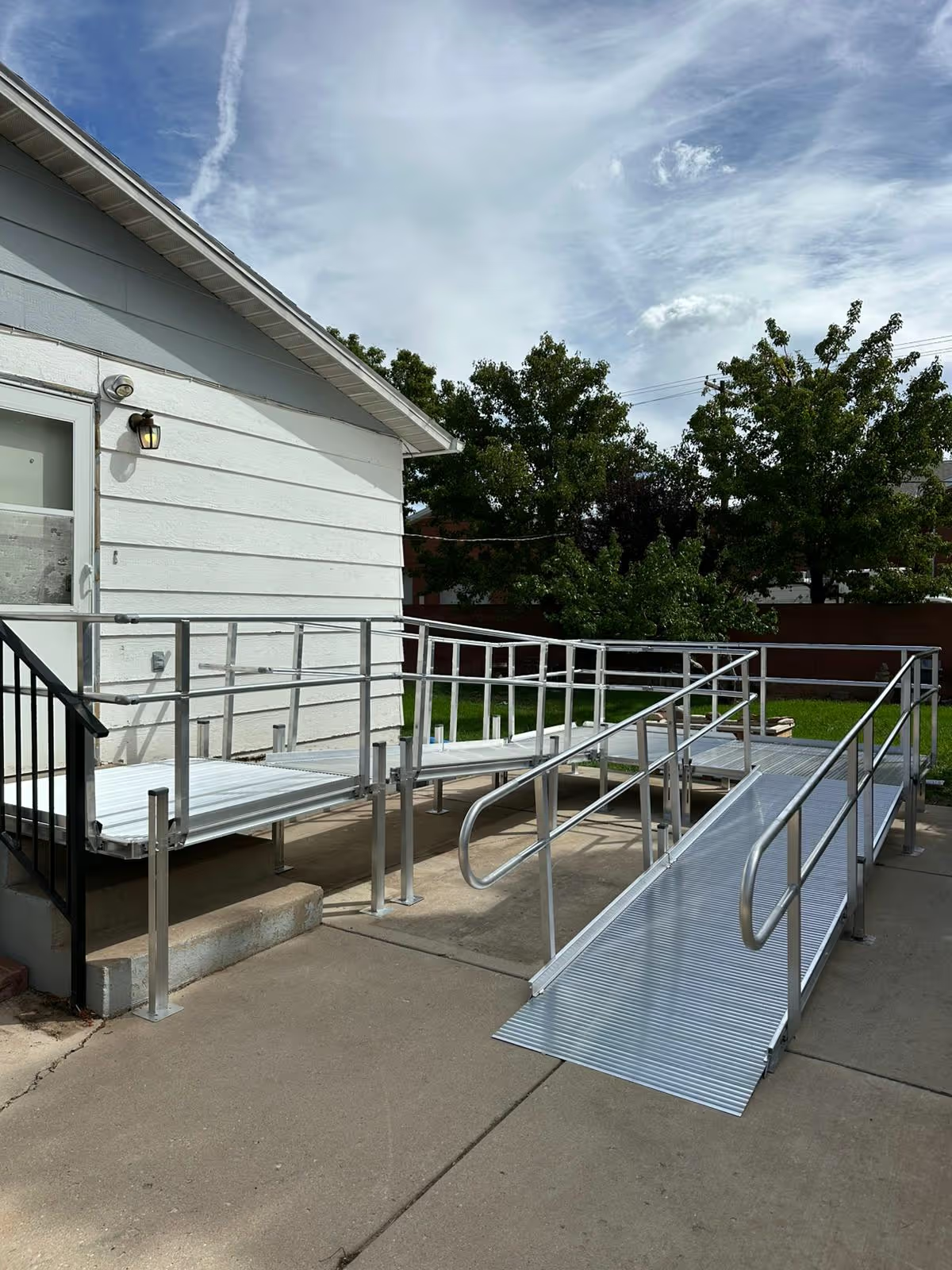
The Americans with Disabilities Act sets clear rules to make ramps safe and usable. These standards were developed to address real mobility needs and should be part of every design, whether the ramp is for a private home, a business, or a public space.
| Requirement | ADA Standard |
|---|---|
| Slope Ratio | Maximum 1:12 — one inch of rise for every twelve inches of length |
| Clear Width | At least 36 inches minimum for safe wheelchair/walker passage |
| Landings | Required at top and bottom; additional landings every 30 feet for long ramps |
| Handrails | Required on both sides when ramp rises more than six inches; height between 34–38 inches |
| Surface | Must be firm, stable, and slip-resistant |
| Edge Protection | Curbs or barriers required to prevent wheels from slipping off the side |
Choosing the Best Prefab Ramp for ADA Compliance
When selecting a wheelchair ramp, several factors should be reviewed to make sure it meets both practical needs and ADA requirements.
- Site assessment: Measure the height of the entrance, review the available space, and check for obstacles such as landscaping or doors that swing outward.
- Material selection: Aluminum is the most common choice because it is lightweight, durable, and resistant to corrosion. Steel and composite materials are available but may require more maintenance.
- Ramp length and layout: Make sure the slope follows the ADA ratio of one inch of rise for every twelve inches of length. For taller rises or limited spaces, a switchback or U-shaped layout may be necessary.
- Weather considerations: In Utah and similar climates, ramps should have textured or perforated surfaces to improve traction and allow water and snow to drain.
- Budget and future needs: Consider not only the upfront cost but also long-term value. Modular ramps can often be extended, adjusted, or even relocated, which helps protect your investment over time.
Working with a professional installer ensures all these elements come together correctly, resulting in a ramp that is safe, functional, and fully ADA compliant.
Create Accessible and ADA-Compliant Homes and Businesses with Western Stairlifts
Western Stairlifts has been helping property owners improve accessibility for more than 20 years. Our team provides free evaluations, expert installation, and quality wheelchair ramps designed to meet ADA requirements. By working with us, you gain peace of mind knowing that your ramp will be safe, reliable, and built with care. If you are ready to make your property more accessible, now is the time to take the next step. Contact us today to schedule a free evaluation to find the right mobility solution for your needs.